
The Skill Behind a Perfect Threshold Fit
Walk into a well-fitted room and everything feels right. The flooring transitions smoothly from one surface to the next, the door closes cleanly, and there's not a bump, gap, or ridge in sight. What you're looking at is the result of a skilled fitter who got the details right - and nowhere is that more apparent than at the threshold.
What Is a Threshold Strip, and Why Does It Matter?
A threshold strip (also called a door bar or transition strip) sits at the join between two different floor surfaces - carpet to hard floor, room to hallway, old to new. It protects the edges of both floors, creates a neat finish, and helps the door swing freely without catching.
Simple enough in theory. But in practice? It's one of the trickiest parts of the job.
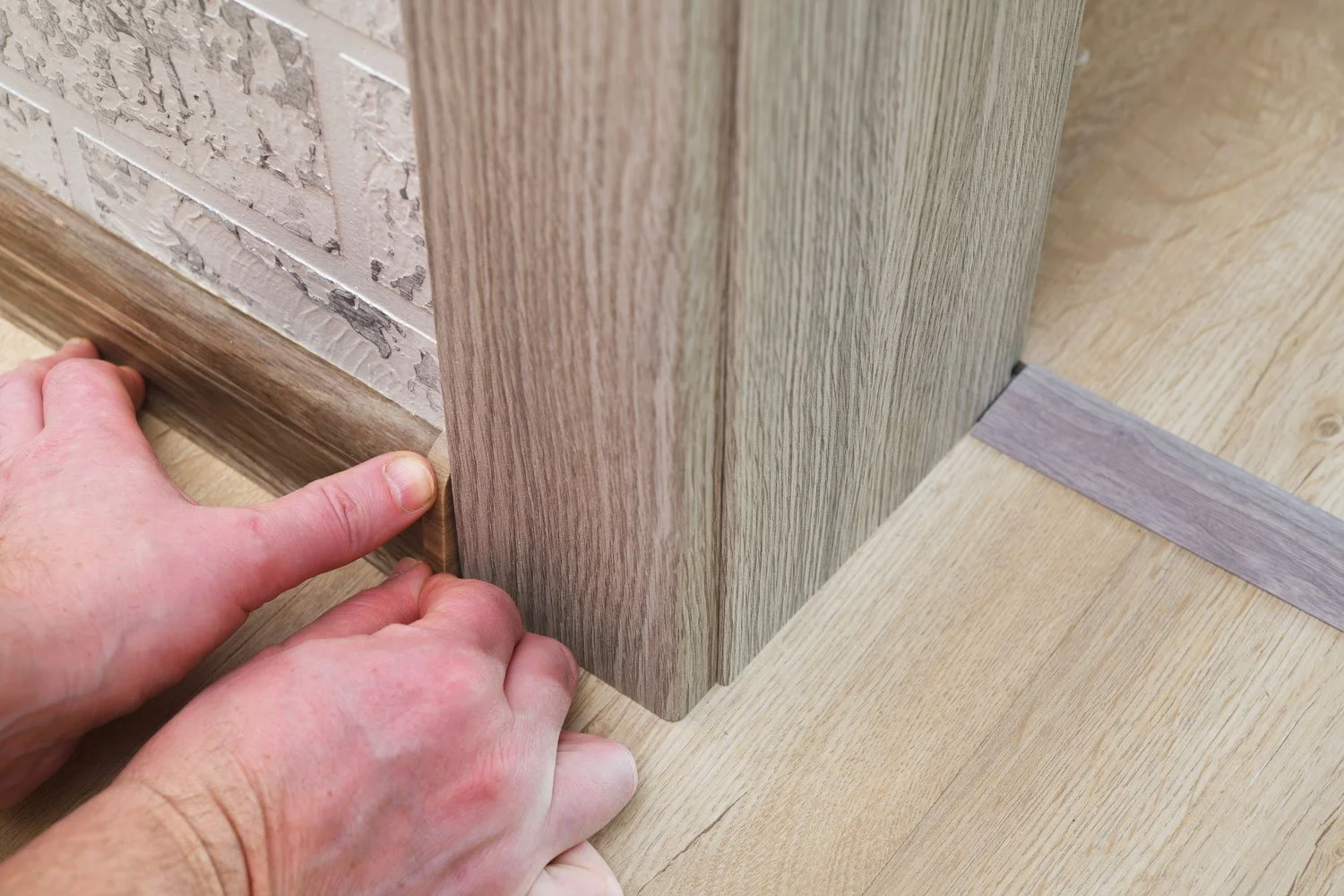
Why Getting It Right Is Harder Than It Looks
Angled Doorways
Not all doorways are square - and most fitters will tell you that more often than not, they're not even close. Even a slight angle means the threshold strip needs to be cut precisely to match, otherwise you're left with unsightly gaps at one or both ends. Getting this right requires careful measuring, the right tools, and a steady hand.
Mixed Floor Heights
When two different floor types meet - say, a thick carpet and a solid wood floor - there's often a difference in height to account for. The threshold needs to bridge that gap smoothly, sitting flush against both surfaces without creating a trip hazard or leaving an exposed edge. The wrong profile, or a poorly fitted one, can look and feel awful underfoot.
The Door Swing Test
Here's something a lot of people don't think about: the threshold has to work with the door, not against it. Fit it too high and the door scrapes every time it opens. Fit it in the wrong position and the door won't close properly at all. A skilled fitter checks the door swing before, during, and after fitting - making small adjustments to get it just right.
Achieving a Seamless Finish
The best threshold fits are almost invisible. The strip sits level, sits tight, and the flooring either side looks like it was always meant to be there. That takes experience - knowing which profile to use, how to cut and position it correctly, and how to secure it so it stays put for years to come.
Pro Tip
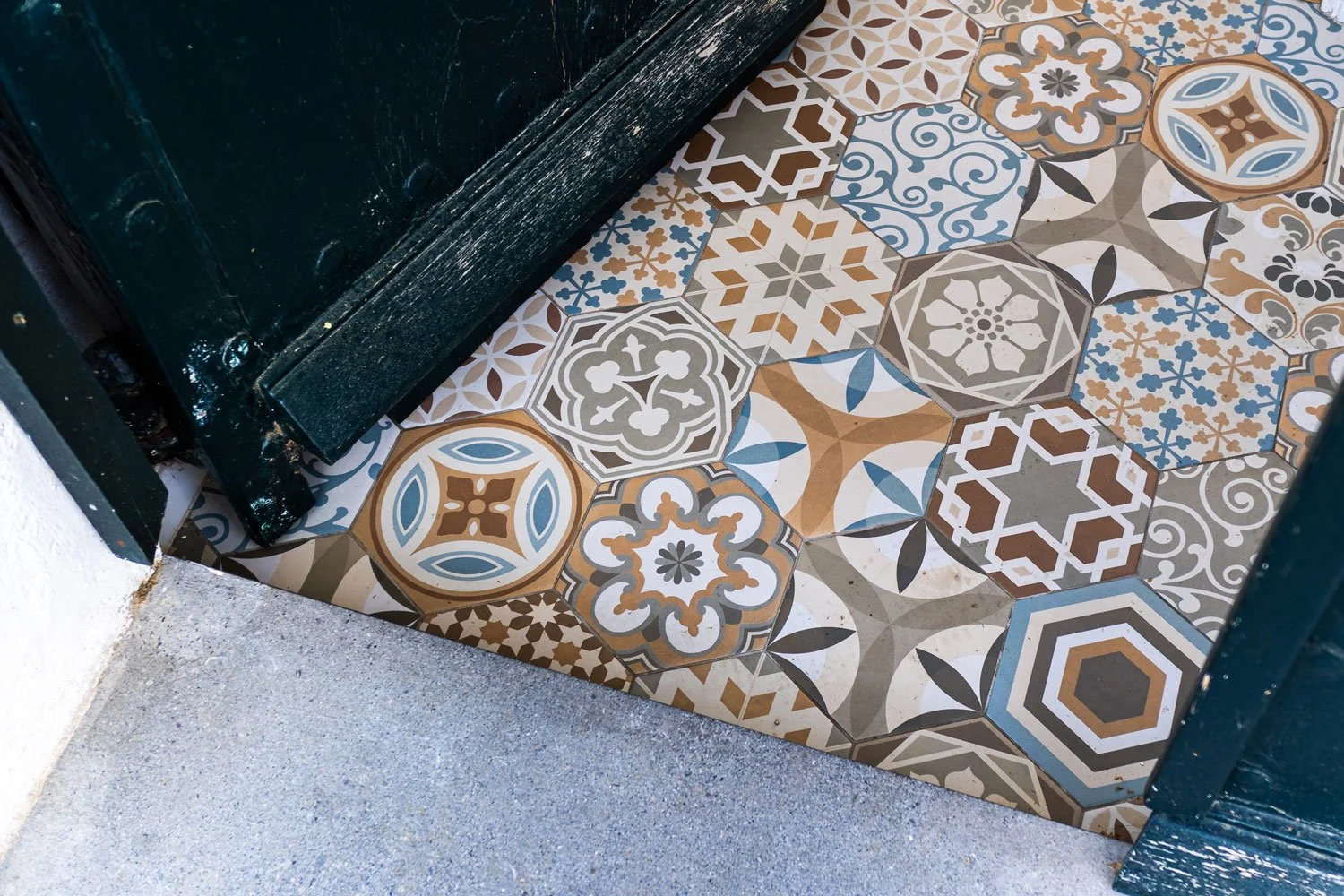
Always check your threshold profile before your fitter arrives. There are several types - overlap, square edge, reducer, T-bar - and the right one depends on your specific floor heights and surfaces. A good fitter will advise you, but knowing what to ask for helps.
The Bottom Line
A threshold might only be a few centimetres wide, but it tells you everything you need to know about the quality of a fit. Done well, it's seamless. Done badly, it's the first thing everyone notices.
Next time you're admiring a beautifully fitted floor, take a look at the threshold. If it's perfect, you've got a skilled fitter to thank.
Thinking about new flooring? Get in touch and let's talk about getting it fitted properly - right down to the last detail.
Ready to Get It Done Properly?
If you're planning new flooring and want it fitted by someone who takes pride in every last detail - thresholds included - we'd love to hear from you.
Get in touch today for a free quote and let's get your project started.