
Why Central Heating Changed the Way Britain Carpets Its Homes
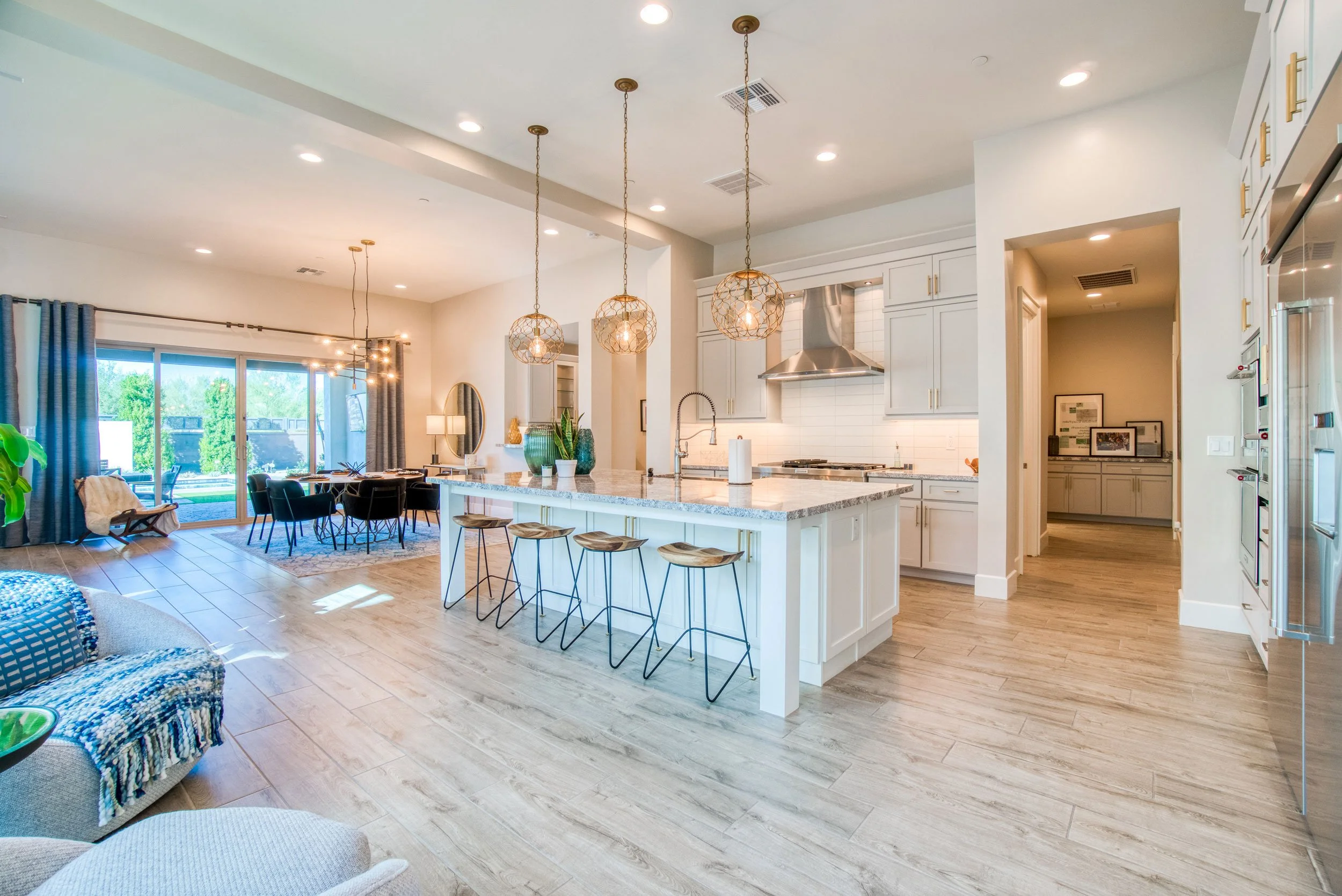
When you walk into a modern British home today, you’ll likely see a deliberate mix of flooring: sleek engineered wood or luxury vinyl tile (LVT) in high-traffic kitchens and hallways, paired with plush, sink-your-toes-into carpet in the bedrooms and lounge.
It feels like a purely aesthetic choice. But if you rewind 70 years, the surface beneath your feet wasn’t driven by interior design trends - it was driven by thermal survival.
The story of how carpet went from an essential thermal barrier to a luxury comfort choice is directly tied to one major home innovation: central heating.
The Cold Hard Truth of Pre-Heating Britain
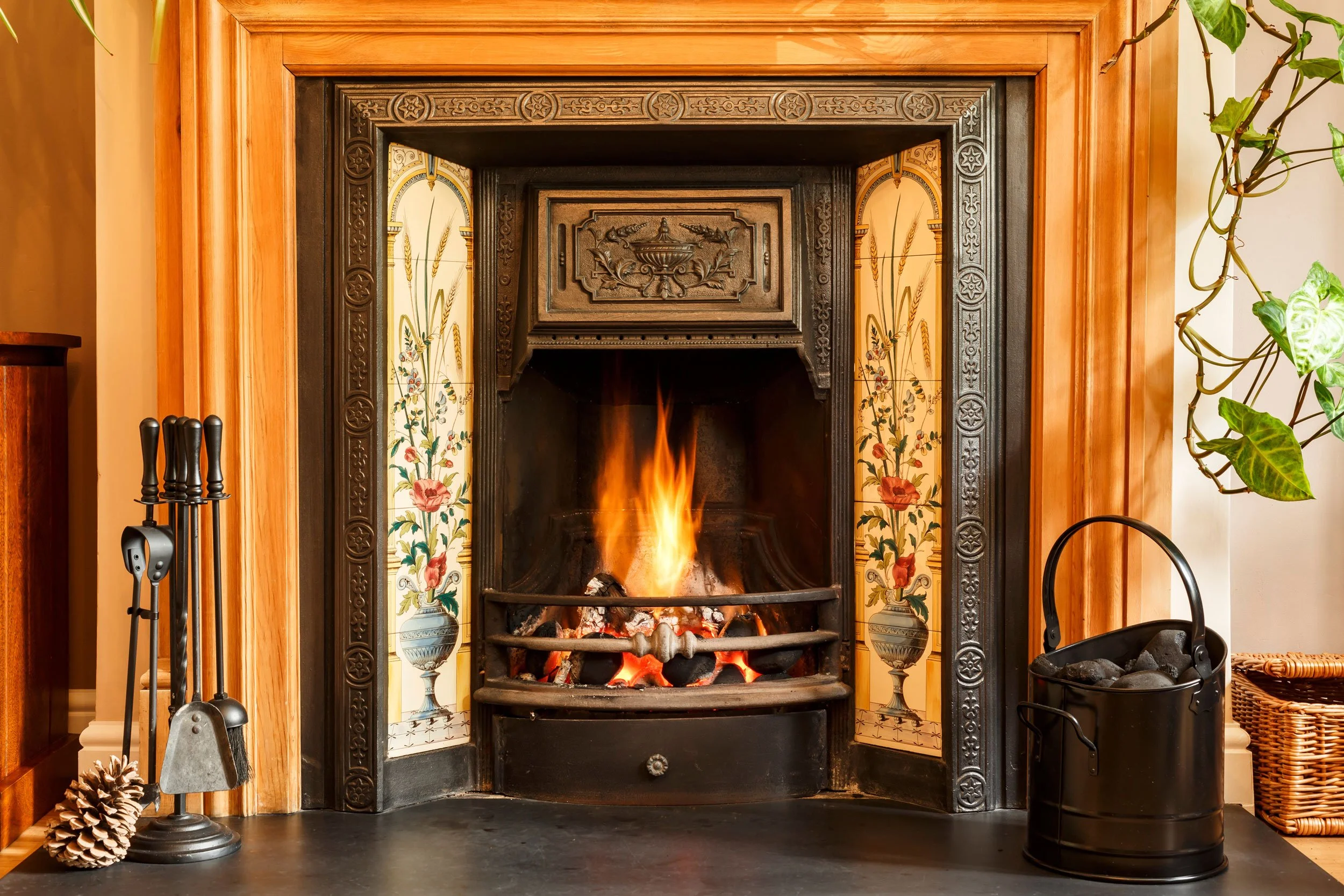
Before the post-war housing boom of the 1960s and 70s, the average British home was notoriously drafty. Most houses relied on single open coal fires in living rooms, leaving hallways, dining areas, and bedrooms freezing cold.
Floorboards were raw, suspended timber laid over bare joists, allowing icy sub-floor drafts to blow straight up into living spaces.
In this climate, wall-to-wall fitted carpet was a necessity, not a luxury.
Thick wool carpets paired with dense felt underlay acted as insulation. They trapped heat, blocked drafts, and made living in draughty Victorian, Edwardian, and 1930s homes manageable during British winters. The thicker and denser the carpet, the warmer the home.
Enter Central Heating: The Flooring Revolution
By the late 1960s and through the 1970s, residential central heating transformed British domestic life. Radiators began warming every room evenly, eliminates drafty zones and rendering cold floorboards a thing of the past.
This technology shift fundamentally altered our relationship with flooring:
Floors no longer needed to double as thermal blankets. Homeowners could finally consider materials that were cold to the touch without sacrificing household comfort.
Hard flooring gained practical appeal. Without the urgent need for carpet’s insulation, hard surfaces—from traditional parquet to modern laminate, real wood, and LVT—became viable for ground floors, kitchens, and hallways.
Carpet evolved from functional necessity to luxury comfort. Carpet didn't disappear; its role simply changed. Instead of being fitted out of sheer cold-weather survival, carpet became a choice centered on acoustics, tactile softness, and cozy luxury.

The Modern Balance: High Tog Ratings vs. Underfloor Heating
Today’s flooring decisions come full circle when considering heating technology—particularly with the rise of underfloor heating (UFH).
If you are planning your home layout today, your heating system still dictates your flooring choices, but in reverse:
For Underfloor Heating: Hard surfaces like LVT, engineered wood, and natural stone conduct heat quickly. However, you can still enjoy carpet over UFH—you just need to check the combined Tog rating of the carpet and underlay (typically keeping it under 2.5 Tog) so heat can rise effectively.
For Traditional Radiators: The classic approach remains unbeatable: resilient hard flooring in high-use areas (hallways, kitchens, utility spaces) paired with high-grade, plush wool or woven carpets in bedrooms and sitting rooms for maximum comfort.

Finding the Right Fit for Your Home
Whether you’re restoring a period home in Richmond, updating a modern apartment in Teddington, or balancing carpet with underfloor heating, matching your flooring to your heating setup ensures lasting comfort and style.
Planning a home refresh? Visit our showroom at Teddington Carpets to explore our ranges of luxury wool carpets, LVT, and hard flooring, or talk to our team about finding the ideal Tog rating for your heating system.